

Abandoned Property Computer Data Privacy
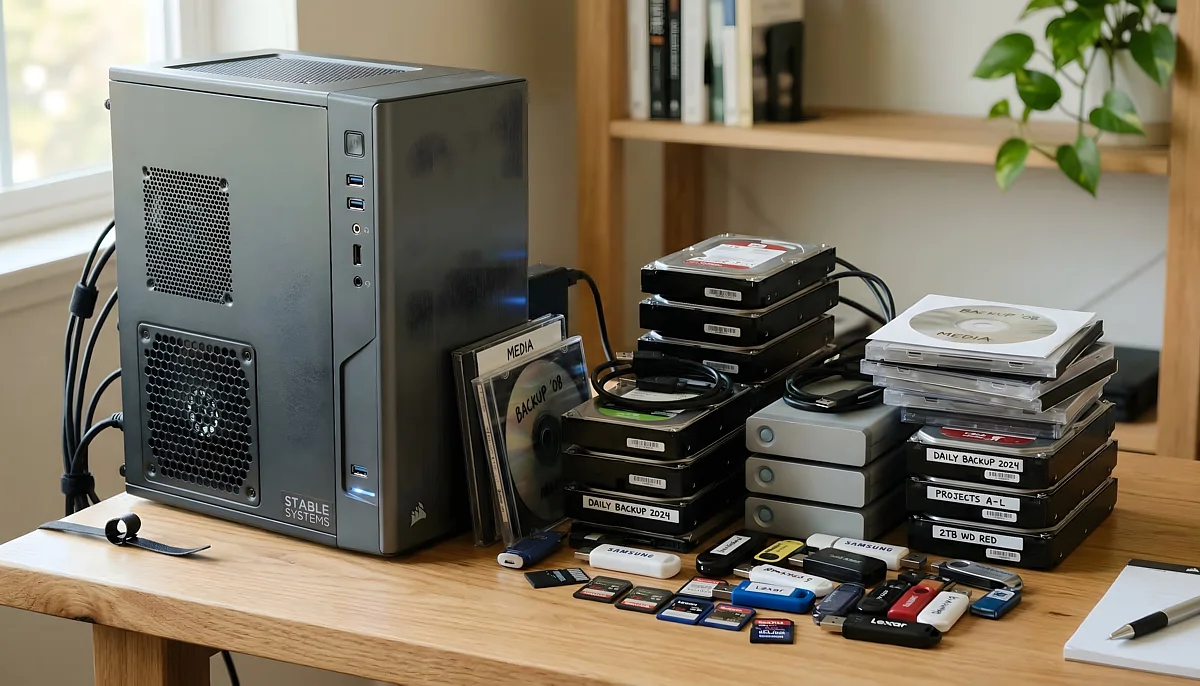
When electronic devices are left behind following eviction or belief of abandonment, the issue is not limited to the physical equipment. Computers, storage devices, and certain types of electronic systems may contain personal or business information that creates a separate layer of risk beyond the standard abandoned property process.
California Civil Code §§1983-1991 governs how the physical device is handled, but it does not address the data stored inside it. This creates a practical gap. The hardware may be subject to lawful disposition, but the information contained within it may still expose former tenants or third parties if it is not properly addressed before the device leaves controlled custody.
This distinction is critical. The risk is not tied to the resale value of the device, but to whether the information it contains can be accessed, copied, or misused after disposition.
Why Electronic Devices Create Additional Risk
Electronic devices may contain a wide range of sensitive information, including financial records, communications, credentials, and business data. Unlike physical documents, this information can be accessed without obvious signs of use and can be duplicated or transferred quickly once a device changes hands.
In commercial settings, the exposure increases significantly. Devices may contain employee information, customer records, vendor data, and internal systems that were never part of the tenancy dispute. This creates potential liability to parties beyond the former tenant and expands the scope of risk.
Physical documents containing personal information are addressed separately in Handling Sensitive Documents in Abandoned Property. This page focuses specifically on electronic devices and stored data.
Where Problems Typically Occur
Problems arise when electronic devices are treated as standard inventory and moved through the process without considering the data they may contain. Equipment may be sold intact, transferred without review, or included in bulk lots where the presence of storage media is not identified.
In many cases, the issue is not whether data was intentionally exposed, but whether any steps were taken to prevent access. Once a device has been released through auction or disposal, control over that information is lost, and any exposure that follows becomes difficult to contain or explain.
These issues are more common in commercial environments, but residential devices can present similar concerns where personal financial or identity-related information remains accessible.
How Different Types Of Devices Should Be Handled
Electronic devices do not all present the same level of risk, and they should not be handled as though they do. The level of precaution depends on whether the device is designed to store recoverable information, contains limited embedded data, or functions primarily without retaining sensitive records.
Devices such as computers, servers, and removable storage media are treated as high-risk because they are designed to store accessible data. These devices should not be sold intact without first addressing the storage media. Removal, secure wiping, or destruction of drives is typically required to prevent unintended disclosure.
Other devices, including printers, point-of-sale systems, and certain network equipment, may contain embedded or residual data but are not primarily used for storage. These should be evaluated on a practical basis, with reasonable steps taken to clear or reset data where appropriate, without applying unnecessary or disproportionate controls.
Devices such as routers and basic smart home equipment generally contain limited or transient data. In these cases, a factory reset or standard clearing procedure is typically sufficient. Applying the same handling standards used for primary storage devices is not necessary and may create unnecessary cost without reducing meaningful risk.
Risk Exposure From Improper Handling
Improper handling of electronic devices can create exposure that extends beyond the former tenant. If information is accessed or misused after the device leaves controlled custody, claims may arise from affected individuals or third parties whose data was stored on the device.
These claims are typically framed around negligence or failure to take reasonable steps to safeguard information. In commercial settings, this may include employee, customer, or vendor data that was never part of the tenancy dispute but was nonetheless exposed through the handling of abandoned equipment.
Because the handling process can be reconstructed after the fact, inconsistent or undocumented procedures are difficult to defend. The issue is not whether data was actually accessed, but whether reasonable steps were taken to prevent that possibility.
The Practical Legal Gap
The abandoned property statutes clearly regulate the disposition of the physical device, but they do not provide direction on how the data stored inside that device should be handled. This creates a distinction between the physical item and the information it contains.
Where the statute is silent, disputes are typically evaluated based on whether the handling process was reasonable and consistent. A structured approach that identifies device type, applies proportional handling, and documents the steps taken is generally easier to defend than one that treats all devices the same or ignores the issue entirely.
Additional Guidance
The articles above examine specific aspects of the abandoned property process in greater detail. For broader discussion of valuation considerations, liability issues, and compliance risks when handling tenant belongings left behind after eviction, visit other areas of the Abandoned Property Law And Compliance Resources section.
Other States Considerations
In Nevada, Nevada Revised Statutes §118A.460 governs the handling and disposition of tenant property, focusing on notice, storage, and disposal rather than the treatment of data stored within electronic devices.
In Arizona, Arizona Revised Statutes §33-1370 addresses the handling of tenant property following tenancy termination but does not distinguish between physical devices and the information stored on them.
While the overall structure is similar, the statutes focus on possession and disposition rather than data exposure, meaning additional care is required when handling electronic devices.
Relevant Statutory Framework
- California Civil Code §§1983-1991
- Nevada Revised Statutes §118A.460
- Arizona Revised Statutes §33-1370