

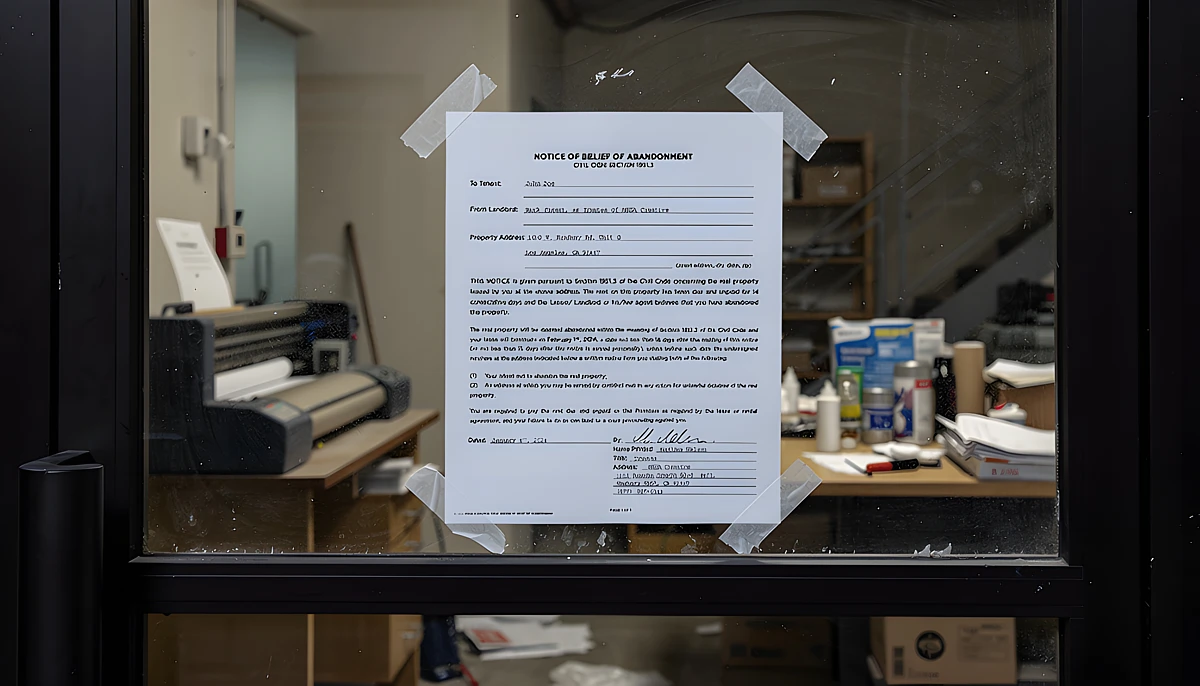
Notice Timeline Errors in Abandoned Property Handling
Timing controls when each step in the abandoned property process may legally occur, and errors in calculating or applying required timelines can invalidate actions that would otherwise be correct. Reclaim periods, publication timing, and final disposition are governed by defined waiting periods that must be completed before the next step begins, which means acting too early breaks the sequence even if the underlying notice or documentation is accurate.
These requirements are structural conditions that determine when authority exists to move forward, rather than administrative guidelines that can be adjusted for convenience. A notice may be properly prepared and served, and a valuation may be accurate, but if the required time period has not fully elapsed, the next step cannot be taken without disrupting the process and undermining its validity.
Notice Timing Determines When Actions Are Legally Permitted
Each stage of the abandoned property process is tied to a specific waiting period that must be completed before the next action can occur, which means notice timing defines when authority exists rather than simply measuring duration. Reclaim periods must fully expire before disposition decisions are applied, and publication must occur within the correct window relative to those periods to support lawful handling.
The sequence that connects notice, holding periods, valuation, and final disposition is outlined in the Abandoned Property Process Timeline, but the critical point is that each step depends on the proper completion of the prior step within the required timeframe. Actions taken outside that structure are not just out of order, they are taken without the legal basis that the timing requirement is intended to establish.
Acting Too Early Breaks The Process
Taking action before the required time period has expired is one of the most common notice timing errors, and it affects multiple stages of the process including publication, scheduling, and final disposition. Publishing a notice before the reclaim period has fully run, scheduling a sale before the required waiting period has ended, or proceeding with disposition before valuation has been applied all represent actions taken without the authority created by completing those steps in sequence.
Timing errors cannot be corrected by waiting after the fact, because the issue is not the total amount of time that passes but the order in which actions occur. Once a step is taken prematurely, the sequence has already been broken, and later compliance does not restore the validity of the earlier action.
Acting early also creates downstream complications because later steps rely on the assumption that the correct timeline has been followed, which means errors compound rather than remain isolated. Once the sequence is disrupted, each subsequent action is built on an incorrect foundation, making the process difficult or impossible to defend without restarting from the point where the timeline was first broken.
Common Notice Timeline Mistakes
Notice timing errors often arise from miscalculating deadlines, misunderstanding when a period begins or ends, or assuming that actions can be scheduled in parallel rather than sequentially. Errors may occur when the reclaim period is shortened based on incorrect assumptions about service, when publication is initiated before the required period has expired, or when disposition is scheduled based on convenience rather than compliance.
Treating timing requirements as flexible is a common source of error, particularly when delays create pressure to move forward quickly. Adjusting timelines to accelerate the process, even slightly, can result in actions being taken before authority exists, which creates a gap between the process requirements and the actual handling of the property.
Practical mistakes often include counting days incorrectly, misapplying mailing extensions, or assuming that weekends and holidays do not affect statutory periods, all of which can shift deadlines and result in premature action. These errors may appear minor but can invalidate the process because compliance depends on precise alignment between required timelines and actual actions taken.
Timing Errors Create Structural Risk
Timing errors do not exist in isolation because each step in the process depends on the validity of the steps that came before it. When a required period is miscalculated or skipped, the actions that follow rely on an incorrect foundation, which means the entire sequence is affected rather than just a single step.
This creates structural risk because the process no longer aligns with the requirements that govern it, even if later steps appear to be completed correctly. Timing errors undermine when actions were taken, which can create the same exposure as other notice-related failures by breaking the sequence that supports lawful handling.
Timing Cannot Be Corrected After The Fact
Once an action has been taken before the required period has expired, the process cannot be repaired by allowing additional time to pass afterward. The issue is not whether the total time eventually meets the requirement, but whether each step occurred at the correct point in the sequence when authority existed to take that action.
Restarting the process is often the only way to restore compliance when notice timing errors occur, because the original sequence can no longer support the actions that were taken. This reinforces that timing is not flexible and cannot be adjusted retroactively to align with requirements after a mistake has already been made.
Avoiding Notice Timing Errors Through Proper Process Control
Notice timing errors typically occur when process steps are managed manually or without clear understanding of how deadlines interact with next stage, increasing the likelihood of miscalculating reclaim periods, initiating publication too early, or scheduling disposition before authority exists. Even small timing misalignments disrupt the sequence, because the process depends on precise coordination between notice, waiting periods, and final action.
Working within a structured Abandoned Property Process helps ensure that notice timing, publication, and final disposition are coordinated correctly with statutory requirements, reducing the risk of errors that can invalidate the process. Proper process control ensures that each step occurs only after the required conditions have been satisfied, so actions are taken within the correct timeframe rather than based on estimated or assumed deadlines.
Other States Considerations
Nevada applies statutory notice and holding periods but does not use the same rigid sequencing structure found in California, which places greater emphasis on whether the timing of actions can be supported as commercially reasonable.
Arizona uses defined notice and holding periods that must be completed before disposition, and errors in calculating or applying those timelines can prevent the process from advancing in a compliant manner.
Across jurisdictions, notice timing determines when authority exists to act, and acting outside those timeframes can invalidate the steps that follow.
Relevant Statutory Framework
- California Civil Code §§1983-1991
- Nevada Revised Statutes §118A.460
- Arizona Revised Statutes §33-1370
Disclaimer: The information provided on this page is for general informational purposes only and does not constitute legal advice. Laws governing abandoned personal property and auction requirements vary by jurisdiction and specific circumstances. Property owners and managers should consult qualified legal counsel before taking action.
Request Services
Please complete the form and a rep will reach out to you shortly
* If you would like to upload files (such as your eviction paperwork or images of the abandoned property), you can switch to our long form here.