

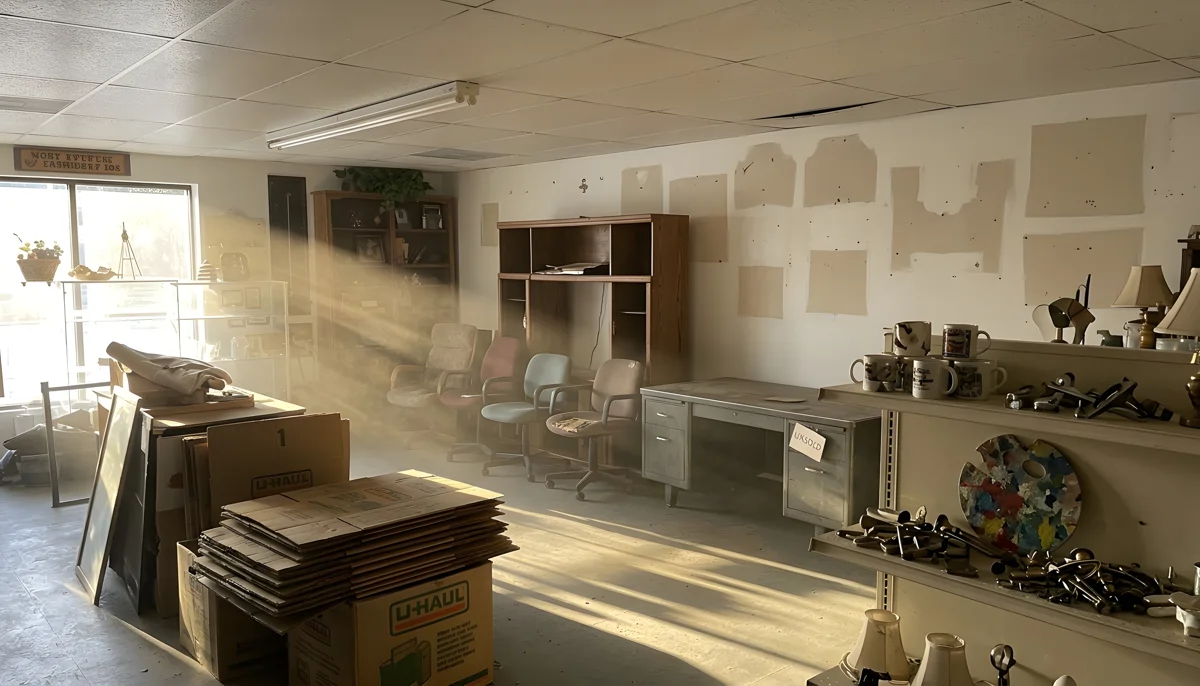
Abandoned Property Auction Unsold Items
When items don't sell at an abandoned property auction, the process has not been completed. Unsold property is not a neutral outcome. It creates a gap between the required method of disposition and what has actually occurred.
This situation usually arises when property has been exposed to auction but has not been fully cleared. That may be the result of limited bidder interest, how the auction was structured, or conditions that prevented certain items from being sold.
Why Unsold Items Cannot Be Handled Freely
Once property exceeds the statutory threshold, it must be sold at public auction by competitive bidding. That requirement defines the method of disposition and does not change based on the outcome of a single sale event.
Items that remain unsold do not revert to unrestricted owner control. The obligation to complete disposition through a compliant auction process remains in place until the property has been lawfully transferred or the basis for requiring auction no longer applies.
Treating unsold items as disposable or retainable simply because they did not sell breaks that pathway and creates exposure.
What Unsold Items Actually Mean
Unsold items point to one of two outcomes. Either the auction operated as a true public sale and the market did not produce a buyer, or the structure of the auction prevented the sale from occurring as required.
The difference is not about price. It is about whether the sale was allowed to proceed through open bidding without interference. Where conditions such as minimum bids or reserve pricing were imposed, the presence of unsold items reflects a structural issue rather than a neutral outcome.
A complete explanation of how pricing controls affect auction outcomes appears in Abandoned Property Auction Minimum Bid Rules.
How To Resolve Unsold Items And Complete Disposition
Resolution requires completing the statutory sale process, not bypassing it. The correct path depends on how the auction was conducted and whether the remaining property still meets the threshold requiring public sale.
A common and effective approach is to structure the auction to ensure full disposition at the outset. This includes using a final or catch-all lot that captures unlisted items and passed lots, allowing all remaining property to transfer through the same sale.
Where individual lots receive no bids, owner bidding may be used if it has been clearly disclosed in the auction terms. This allows the auction to complete without introducing conditions that restrict competitive bidding, while ensuring that property is not left unresolved.
If property remains after the auction and has not been disposed of through a compliant sale, a subsequent auction may be required. The requirement for public sale continues until disposition has been completed.
If the remaining property falls below the applicable statutory threshold after the auction, the requirement for public sale no longer applies. At that point, disposal may be permitted because the legal basis for requiring auction has been removed.
What Cannot Be Done
Unsold items cannot be treated as though the auction requirement has been satisfied. Disposal, retention, or any other action that bypasses the required sale process is not a continuation of the statutory pathway.
The outcome of the auction does not change the requirement. Only completion of a compliant disposition or a change in the applicable threshold alters what can be done next.
Where This Fits In The Auction Process
The handling of unsold items occurs at the end of the auction phase, after bidding has concluded but before the disposition process can be considered complete.
For the sequence leading into this stage, see Abandoned Property Auction Timeline. For how auctions are structured and conducted, see How Abandoned Property Auctions Work
Other States Considerations
In Nevada, Nevada Revised Statutes §118A.460 allows for the sale or disposal of tenant property following notice, but does not require a mandatory public auction by competitive bidding. As a result, unsold items are not tied to completion of a required auction in the same way, and the focus is on whether statutory notice and disposition requirements have been satisfied.
In Arizona, Arizona Revised Statutes §33-1370 permits sale or disposal of tenant property following notice and does not impose a structured auction requirement. Where items do not sell, the issue is whether the statutory process has been completed, rather than whether a failed auction must be corrected before proceeding.
Because these frameworks do not require a mandatory auction, the compliance issue that arises in California when items remain unsold does not apply in the same form.
Relevant Statutory Framework
- California Civil Code §§1983-1991
- California Civil Code §1988
- California Civil Code §6066
- Nevada Revised Statutes §118A.460
- Arizona Revised Statutes §33-1370
Disclaimer: The information provided on this page is for general informational purposes only and does not constitute legal advice. Laws governing abandoned personal property and auction requirements vary by jurisdiction and specific circumstances. Property owners and managers should consult qualified legal counsel before taking action.