

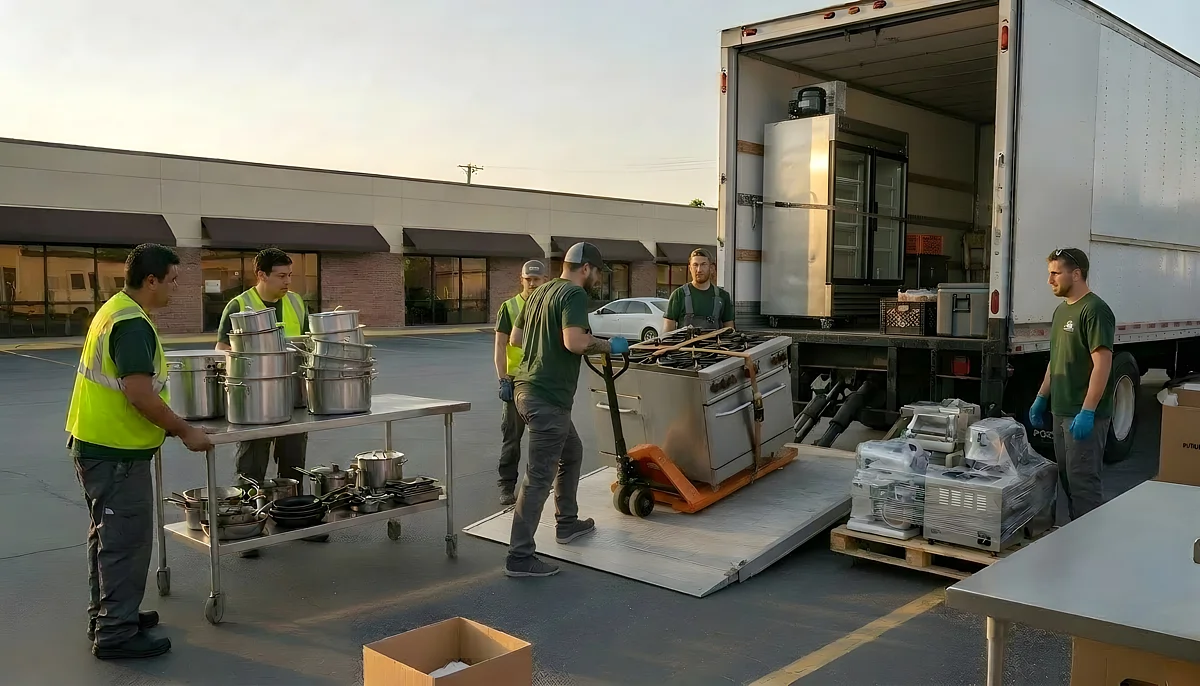
Moving And Storing Abandoned Property After Eviction
After possession is regained, personal property left behind may need to be moved or secured, but handling is not discretionary and must preserve the condition, identity, and availability of the items. Movement is allowed only to the extent necessary to secure the premises or prevent damage, and must be performed in a way that does not alter the property or interfere with how it will later be documented and managed.
Storage is part of the holding period and exists to preserve the property while notice and reclaim requirements are pending, not to resolve or dispose of the contents. Decisions about where and how property is stored must ensure that items remain intact, identifiable, and accessible, so the process can proceed on a consistent and defensible basis.
When Property Can Be Moved
Property may be moved after possession is regained when it is necessary to secure the space, prevent damage, or allow the property to be safely maintained during the holding period. Movement is not a cleanup activity, and it must be limited to what is required to stabilize the situation without altering the condition or composition of the items.
Relocating property for convenience, disposal, or informal sorting is not appropriate at this stage, because it introduces changes that affect how the property will be documented and handled later. Movement must remain controlled and purposeful, ensuring that items are transferred without loss, damage, or reclassification.
Movement Must Preserve Condition And Integrity
All movement must maintain the condition and organization of the property as it existed at the time possession was regained, because changes to arrangement or grouping can affect how items are later identified and documented. Damaging items, separating components, or consolidating materials alters the property in ways that may not be reversible.
Preserving integrity also means ensuring items remain traceable and identifiable, so the inventory accurately reflects what was present. Movement that results in mixed items, lost components, or unclear ownership creates inconsistencies that carry through the entire process.
Property Must Be Stored During The Holding Period
Abandoned property must be retained during the holding period and cannot be discarded, destroyed, or otherwise removed from the process while notice and reclaim requirements are pending. Storage ensures that the property remains available if the former tenant exercises their right to reclaim it within the required timeframe.
This obligation applies regardless of the perceived value or condition of the property, which means items must be preserved even if they appear to have little or no resale potential. Storage is tied to the requirement that property remain intact and available, not to whether it is desirable to keep.
Acceptable Storage Locations And Conditions
Property may be stored on-site or in an alternative location, provided that the storage environment protects the contents from damage, loss, or deterioration. Storage conditions must maintain the integrity of the property, including protection from weather, theft, contamination, or other factors that could alter its condition.
Improper storage can affect both the condition and availability of the property, which creates issues for documentation and reclaim. Exposing items to damage or placing them in unsecured locations undermines the purpose of the holding period, because the property is no longer preserved in the state required for proper handling.
Storage decisions must also account for the nature of the items, including whether they require specific conditions to prevent deterioration or damage. Failing to consider these factors can result in avoidable loss or change in condition, which affects how the property is later evaluated and handled.
Access Must Be Preserved For Reclaim
Stored property must remain accessible so that it can be returned if the former tenant exercises their right to reclaim it, which means storage decisions cannot prevent or restrict reasonable access. Property that cannot be retrieved or identified cannot be properly returned, which undermines the purpose of the holding period.
Maintaining access includes ensuring that items can be located, identified, and retrieved without unnecessary difficulty or delay. Storage arrangements that make access impractical or unclear can create barriers to reclaim, even if the property has been physically preserved.
Access may require coordination, but it must remain feasible within the process, ensuring that storage does not interfere with the ability to comply with reclaim obligations. Preserving access is as important as preserving the condition of the property.
Common Mistakes In Moving And Storage
Errors often occur when property is treated as if it can be freely handled, sorted, or discarded once possession is regained. This leads to premature removal or changes affecting documentation. Mixing items from different spaces, failing to track movement, or storing property without clear organization can result in loss of information originally present.
Another common issue is selecting storage locations based on convenience rather than suitability, which can expose property to damage or make it difficult to access later. These mistakes create inconsistencies that affect inventory, notice, and reclaim, because the property is no longer preserved in a controlled and verifiable state.
Movement And Storage Affect Documentation And Process Integrity
How property is moved and stored directly affects how it is documented, because inventory depends on the condition and organization of the items at the time it is created. Changes introduced during movement or storage can result in incomplete or inaccurate records, which carry forward into later stages of the process.
Maintaining consistent handling ensures that documentation reflects the actual property present, supporting the integrity of the process. The broader sequence is outlined in the Abandoned Property Process, but proper handling during this stage ensures that the process begins from an accurate and reliable record.
Controlling Risk Through Proper Handling
Proper movement and storage practices preserve the condition, identity, and accessibility of abandoned property, ensuring that the process remains aligned with its requirements. Controlled handling prevents the introduction of errors that could affect how property is documented, valued, or returned.
Maintaining this level of control allows the process to proceed without disruption, because each step is based on a consistent and verifiable understanding of the property. This reinforces that handling is not an operational detail, but a core part of maintaining compliance during the holding period.
Other States Considerations
Nevada allows more flexibility in how abandoned property is physically handled, including where it may be stored, but property must still be preserved in a way that prevents damage, loss, or inaccessibility during the holding period. Movement and storage decisions cannot interfere with the ability to identify and return items if required.
Arizona requires adherence to defined handling steps, which places greater emphasis on maintaining control over how property is moved and stored once possession is regained. Storage conditions must support the ability to return property in a consistent and identifiable state, without alteration or loss.
Across jurisdictions, movement and storage must preserve both condition and access so the property remains intact and available throughout the holding period, regardless of where or how it is stored.
Relevant Statutory Framework
- California Civil Code §§1983-1991
- Nevada Revised Statutes §118A.460
- Arizona Revised Statutes §33-1370
Disclaimer: The information provided on this page is for general informational purposes only and does not constitute legal advice. Laws governing abandoned personal property and auction requirements vary by jurisdiction and specific circumstances. Property owners and managers should consult qualified legal counsel before taking action.