

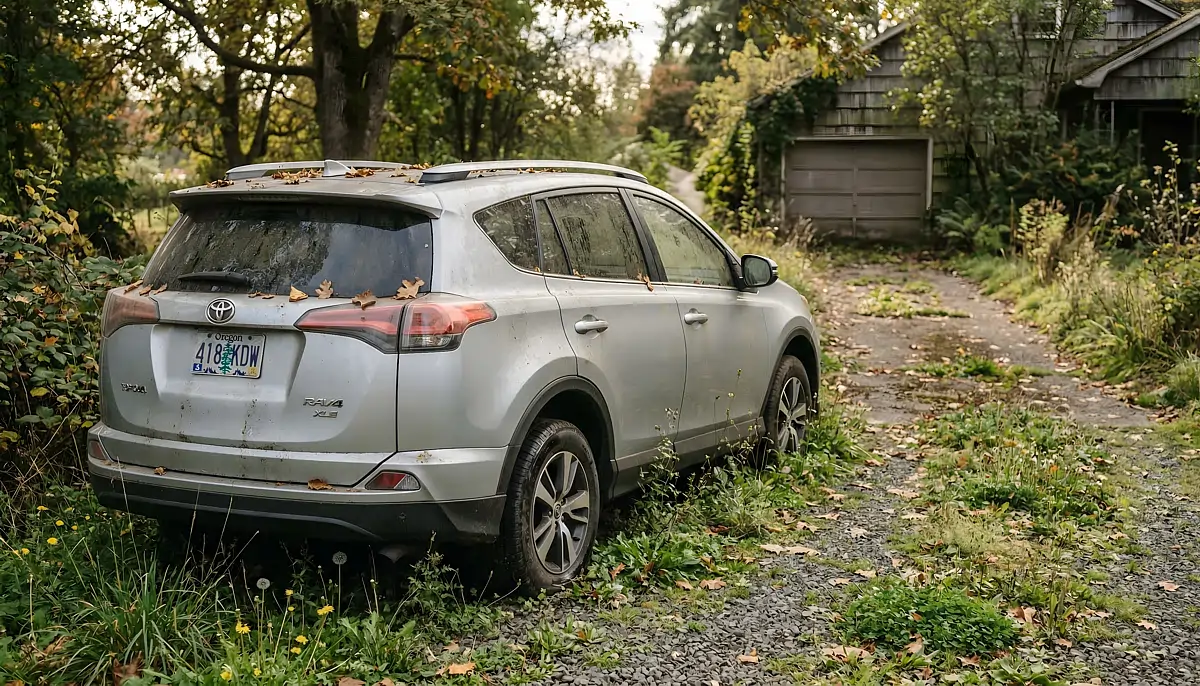
Abandoned Vehicles After Eviction
Vehicles left behind after eviction or following service of a Notice of Belief of Abandonment are often assumed to fall within the same framework as other abandoned personal property. The asset remains on-site and appears to have been relinquished, which creates the expectation that it can be handled through the same notice, storage, and disposition process applied to general property.
Vehicles are governed differently. California Civil Code §§1983-1991 establishes procedures for abandoned personal property, but those provisions do not control how vehicles are removed, held, or sold. Vehicles are regulated through separate statutory frameworks tied to title, registration, and recorded ownership interests, which introduces a different set of requirements before any disposition can occur.
The presence of a vehicle within an abandonment scenario creates a structural separation from the standard process. The asset may be abandoned in a practical sense, but the method of handling it is determined by vehicle-specific rules that operate independently of general abandoned property law.
Why Vehicles Are Treated Differently
Vehicles are part of a regulated ownership system that extends beyond physical possession. Title records, registration requirements, and state tracking systems establish a formal chain of ownership that remains in place regardless of whether the vehicle has been left behind.
Ownership and disposition rights are not determined by control of the asset. A vehicle may be located on private property and appear abandoned, yet legal ownership continues to be defined by title records and may include secured interests held by lenders or other third parties. Those interests remain enforceable and must be addressed within the appropriate statutory framework.
The structure governing vehicles places them outside the category of property that can be evaluated solely for value and sold through possession-based procedures. Disposition is controlled by rules tied to ownership verification and title transfer, not by the general standards applied to abandoned personal property.
Why Vehicles Cannot Be Processed Through Standard Auction
The abandoned property framework allows for appraisal, notice, and public sale when statutory conditions are met. That process is designed for assets where ownership can be transferred through compliance with notice requirements and competitive bidding procedures.
Vehicles do not fall within that structure. In California, disposition is generally handled through towing and lien sale procedures that operate under separate statutory authority. These processes are typically limited to licensed tow operators and are structured to ensure that ownership, lienholder interests, and title transfer requirements are properly addressed.
A vehicle included in a general abandoned property auction does not pass through the system required for valid title transfer. The issue is not limited to auction procedure, but arises from applying the wrong legal framework to an asset that must be handled through a different statutory process.
Where Problems Typically Occur
Problems arise when vehicles are treated as part of the general inventory of abandoned property without recognizing that they fall under a separate framework. Vehicles may be grouped into auction lots, processed alongside other assets, or handled through the same disposition workflow used for furniture, equipment, or inventory.
Additional issues occur when vehicles are removed or disposed of outside of a structured process. Informal towing, scrapping, or relocation without routing the asset through the appropriate statutory framework bypasses the procedures required for lawful handling.
Delays in addressing a vehicle create a different category of operational problems. Vehicles left on-site can interfere with access, disrupt property turnover, and introduce storage and control issues, particularly in commercial environments where space and operations are affected.
Commercial Property Considerations
Vehicles left behind in commercial settings frequently involve additional ownership complexity. Company-owned vehicles, fleet units, and assets tied to financing arrangements are common, and these structures often include secured creditors with enforceable interests.
Secured interests in vehicles are typically recorded and remain attached to the asset regardless of abandonment. Disposition without identifying and addressing those interests can result in disputes between property owners, creditors, and other parties asserting rights in the vehicle.
The presence of multiple stakeholders increases both the likelihood and the severity of conflict. What appears to be an abandoned asset may involve layered ownership and financing relationships that must be resolved within the vehicle-specific statutory framework.
How Vehicles Should Be Handled
Vehicles identified within an abandoned property situation should be separated from the standard process applied to other assets. The appropriate handling path is determined by vehicle-specific statutes and typically involves coordination with licensed tow operators and lien sale procedures.
Recognition of the correct framework is the critical step. Early identification allows the vehicle to be routed into the appropriate system, where ownership, lienholder interests, and title transfer requirements can be addressed in accordance with statutory requirements.
Maintaining this separation preserves the integrity of both processes. The abandoned property workflow can proceed for general assets, while the vehicle is handled through the system designed to produce a valid and enforceable transfer of ownership.
Risk Exposure From Improper Handling
Improper handling of a vehicle creates exposure tied to ownership, title, and regulatory compliance. Vehicles are governed by formal ownership records, and disposition outside the required framework can result in a transfer that is not legally valid. Invalid sales, inability to obtain title, and claims from prior owners or lienholders are common outcomes when the correct process is not followed, particularly when ownership is later challenged or a buyer attempts to register the vehicle.
Regulatory exposure may also arise where statutory procedures governing towing, lien rights, and disposition were not followed. These risks extend beyond valuation disputes and involve compliance failures that are difficult to correct once the vehicle has been improperly processed, often requiring unwinding of transactions or resolution of competing ownership claims.
Other States Considerations
In Nevada, abandoned vehicles are handled through a towing and lien framework under Nevada Revised Statutes §487.270, where licensed operators may assert a lien for towing and storage and proceed with disposition if statutory requirements are met. These procedures operate separately from general abandoned property statutes.
In Arizona, vehicles are also governed by a separate statutory process under Arizona Revised Statutes §28-2098 and related provisions, which require ownership verification, lienholder identification, and compliance with reporting requirements before disposition.
Across jurisdictions, vehicles are consistently treated as a distinct category due to their connection to title and registration systems. They are not processed under general abandoned property laws, but through vehicle-specific frameworks that control removal, handling, and title transfer.
Relevant Statutory Framework
- California Civil Code §§1983-1991
- California Civil Code §§3068-3074
- California Vehicle Code §§22669, 22851.3
- Nevada Revised Statutes §118A.460
- Nevada Revised Statutes §487.270
- Arizona Revised Statutes §33-1370
- Arizona Revised Statutes §28-2098
Recent updates to California’s lien sale and vehicle disposition procedures have reinforced that these processes are limited to licensed operators within the statutory framework governing towing and lien enforcement.
Disclaimer: The information provided on this page is for general informational purposes only and does not constitute legal advice. Laws governing abandoned personal property and auction requirements vary by jurisdiction and specific circumstances. Property owners and managers should consult qualified legal counsel before taking action.